

By Stephanie Sabin
You are outside playing with Fido when you notice his gait is slower, his ability to see the ball is becoming harder, and his hair is graying. After nine years together, your beloved pup is beginning to show signs of aging. Will you be prepared to make decisions regarding their health and quality of life?
Many pet owners are forced to make tough choices as their pets age.
When your pet is considered senior varies according to the American Veterinary Medical Foundation (AVMF). Cats are generally considered “senior” after 10 years of age. However, dogs don’t have a universal age of seniority because of their wide variety in size. Larger-breed dogs tend to have shorter lifespans than smaller breeds.
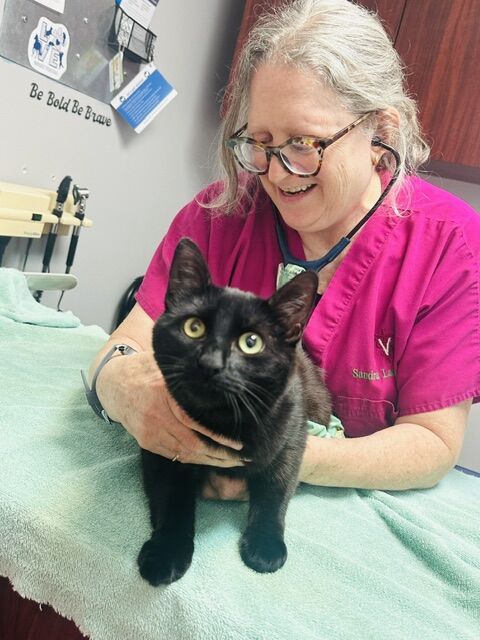
Dr. Sandra Laden of Maple Springs Veterinary Hospital in Gaithersburg, Maryland, is certified in veterinary medicine for senior dogs. She explains some signs of aging include mobility problems, behavior changes such as confusion, changes in eating or drinking habits that can cause unintentional weight loss or gain and even aggression. Some animals show signs of hearing and vision deterioration, or they may suddenly seem anxious.
Most older animals require additional vet visits, along with possible changes in their diet and home environment. Senior pets are more likely to develop certain health problems. Cancer is the cause of death in almost half of dogs and about a third of cats over 10 years old. This can be an added financial and emotional hardship for many owners as they consider quality of life, risks and the overall cost.
As an owner, Laden suggests you consider if your pet is content, and if you can provide an accommodating environment to access everything it needs. For example, “traction on slippery steps, raised food bowls, easy access to eliminate short steps or litter boxes with low sides.”
“I demonstrate and encourage massage and simple exercises for soothing sore joints and muscles, as well as interactive toys that keep their minds sharp. This can be as simple as a towel roll filled with food that they have to unroll or placing healthy but new foods in a muffin pan for them to sniff and explore the unfamiliar smells and tastes; home enhancements such as treads on slippery steps, mats to stand on while eating, safe paths to walk from room to room and lower and larger litter boxes for cats with mobility problems,” Laden continues, “I also really like the trend of doggy and kitty strollers; everyone likes to explore the neighborhood on nice days, even when walking is difficult.”
Aging pets often require medication. Laden explains that constant administration can sometimes make the dog or cat wary of your presence; however, owners can enhance their quality of life with pain relief, supplements, dental care and environmental enrichment that matches their current abilities.
Cost can also factor into how an owner makes decisions for the aging pet. In the last 20 years, more Americans have turned to pet insurance to help cover the costs that can be incurred.
Laden encourages owners to have pet insurance, if possible, but cautions pet insurance does not cover pre-existing conditions and can be quite expensive for older dogs.
If insurance is not possible, Laden suggests placing a line item in your budget for pet health emergencies.
Care for common senior pet conditions and treatments such as congestive heart failure, cancer treatments and orthopedic procedures usually runs into thousands of dollars.
“Being prepared financially for these unexpected costs is part of owning a pet. But the important thing to remember is there are likely many things that we can do medically or surgically for your pet, but the other part of the question is what should be done, based on long-term prognosis, stress on the family, financial concerns, even travel concerns,” Laden says.
“Maintain their current state for as long as possible.” Laden explains, “This involves reevaluating the pet over time to restructure the pet’s care to account for changing needs and abilities. During this time, I will often introduce the discussion of what the end of life may look like.”
Assisting pet owners in making difficult decisions, such as euthanasia, Laden says is a discussion between family, trusted friends and their veterinarian.
“If the animal has a poor prognosis, is very frail, is becoming too draining to keep up with their needs physically, financially, and/or emotionally, then their veterinarian should support them with their decision to euthanize at any point,” Laden expresses it is important to “help owners evaluate when it is time for final walks, final treats, final visits from family, friends, neighbors.”
Loving and caring for your pet as they age can be difficult but also rewarding if you understand and prepare to manage both their needs and your own.
“These discussions with family can cover what is ideal, what is possible, and what the family will reasonably be able to commit to in order to maintain their bond with their pet as they age. I recommend check-ins with owners to discuss how they are all getting along. Usually, this means exams, either in person or virtual, every four to six months. Checklists for those who like numbers; these can be done regularly, such as monthly, to evaluate downward trends of quality of life, as well as to determine if further improvements to treatment and care can be made to enhance the stage the pet is currently experiencing,” says Laden.
As your pet ages, it is important to continue annual wellness visits; some practices encourage additional visits. Communication with your veterinarian is essential in helping families make the best decisions in handling any possible changes and outcomes that are best for both owner and pet.